



2 MIN READ -- Growing up, my Papa shared the story of La Llorona with me—a tale many children in Mexico hear. Maria, in a fit of rage, drowns her children after being abandoned by her husband, and her haunting wails warn children: "Don’t wander alone, or La Llorona will find you." For years, I viewed Maria as a symbol of fear. But as a mother, I began to ask: What if there’s more to Maria’s story?
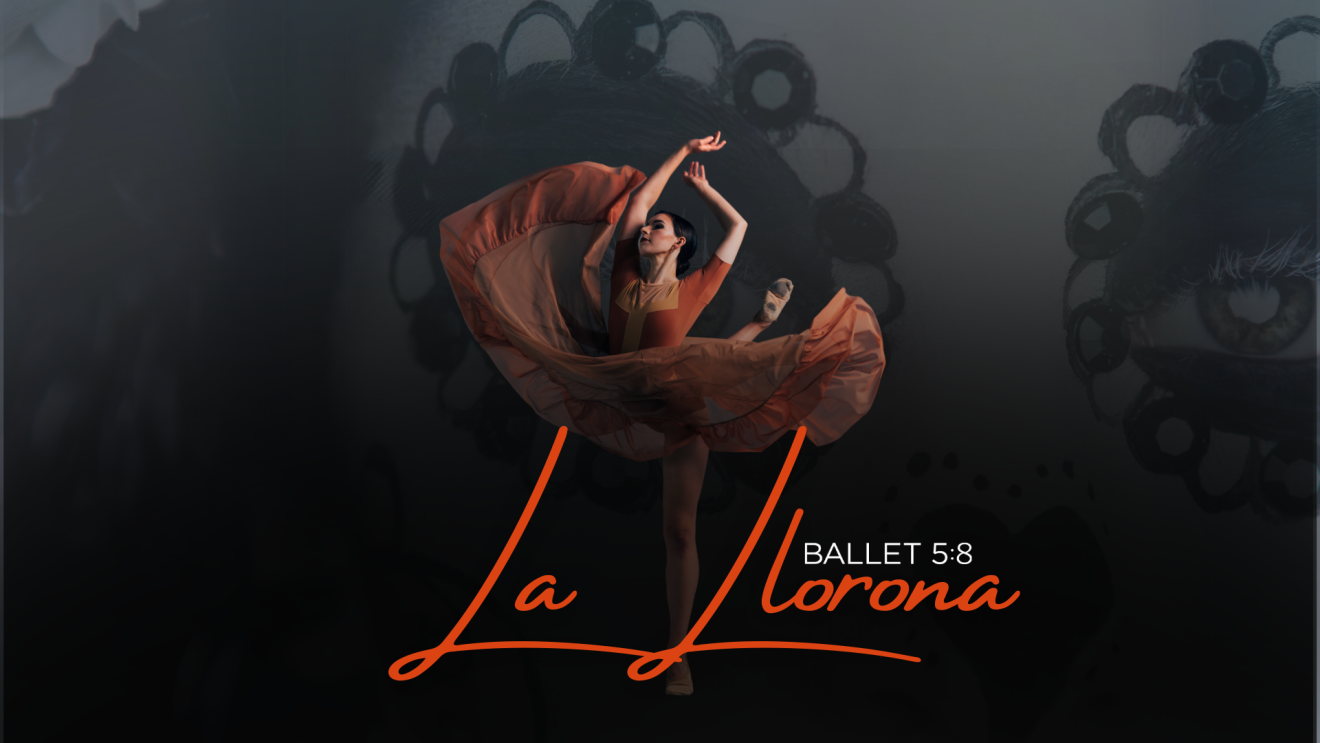
The journey of creating Ballet 5:8’s La Llorona began with this question. Could Maria represent the silent struggles so many women endure—postpartum depression, societal pressures, and expectations of perfection? Approximately 15% of women experience postpartum depression (PPD), and rates are even higher for Black and Latina women.
After the births of my second and third children, I faced the depths of PPD firsthand. I was leading Ballet 5:8, yet inside, I was grappling with thoughts that made me feel disconnected from the world. I realized that many Black and Latina women experience this, but the stories of our struggles go untold, hidden behind the facade of strength. The pressure of living up to Marianisma—the ideal of being the perfect, self-sacrificing woman—only deepened the weight.