


5 MIN READ -- Chicago Loop Alliance (CLA) recently released its quarter two 2026 State of the Loop report. CLA has produced reports on downtown activity since July 2020, using a variety of data sources, tracking pedestrian and transportation activity, investment, retail, arts and culture, and more. View the quarter two (Apr.-June 2026) State of the Loop report aquí.
“While the Loop’s foundation as a central business district continues to thrive, we are heartened by the neighborhood’s progress transitioning to a fully activated, multi-use district – filled with vibrant arts and culture, bustling retail activity, and engaged residents,” said Dr. Suzet McKinney, President & CEO of Chicago Loop Alliance. “The previous quarter’s data reveals that Chicagoans and visitors alike are exploring the Loop in a variety of ways, cementing our city as a world-class destination for unique experiences and innovative opportunities that champion us as a district to model successful downtowns.”
Economic Investment
A new business openings map shows the 19 new restaurants and cafes that opened in the Loop in Q2, along with 20 other establishments that recently opened or are set to open in 2026. Overall, investment in new construction and renewed uses of existing Loop property totaled $673 million.
In the last year, 18% of Chicago property buyers have been local while 29% of sellers have been from outside of the United States, indicating a renewed interest in local buying (CoStar). This has shown up in the Loop with local purchases of 227 S. State, 133 S. State, and the Thompson Center’s local redevelopment.
Office and commercial vacancies in the Loop, which have increased since 2020, began to level off in Q2 2026; and properties in the Loop are on the leasing market approximately the same amount of time as they were in Q2 2025. This includes new multi-floor office leases from Huntington Bank and law firm Vedder Price. Office occupancy stayed at an average of 101% of 2024 levels in April and May, showing that hybrid work trends are here to stay in the Loop.
Momentum in the LaSalle corridor continues, as three residential buildings are under construction as a part of the LaSalle Corridor Revitalization Initiative. Along with these city-funded projects, there are 19 other privately funded downtown conversions planned—more than the last 20 years combined. In total, these projects will bring nearly 4,000 new residential units and over $1.67 billion in investment to the Loop (Department of Planning and Development).
Arts and Culture
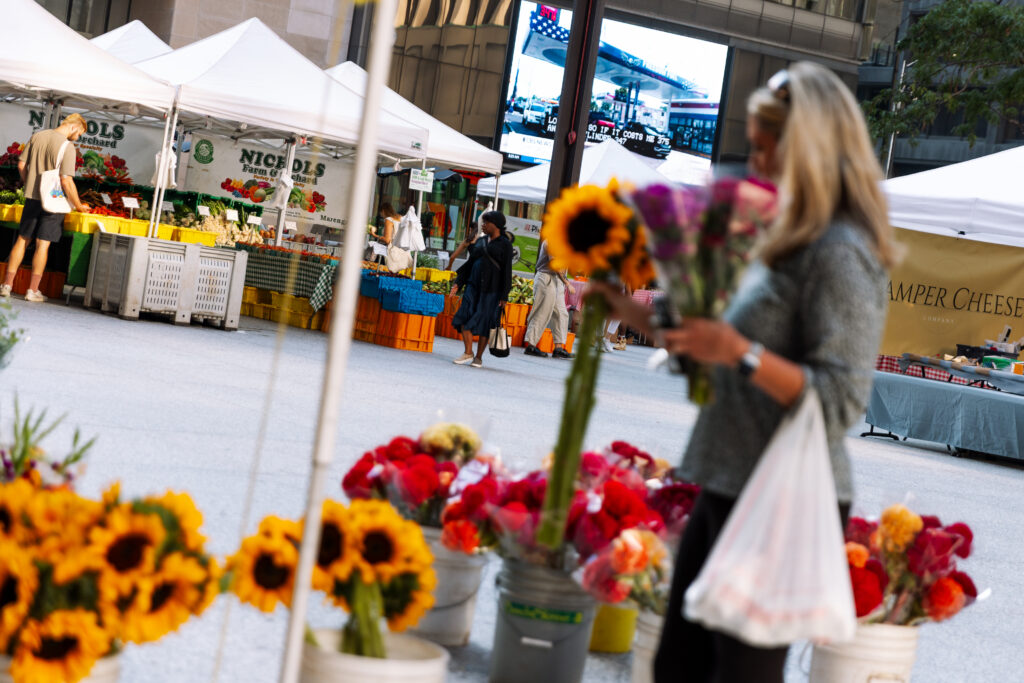
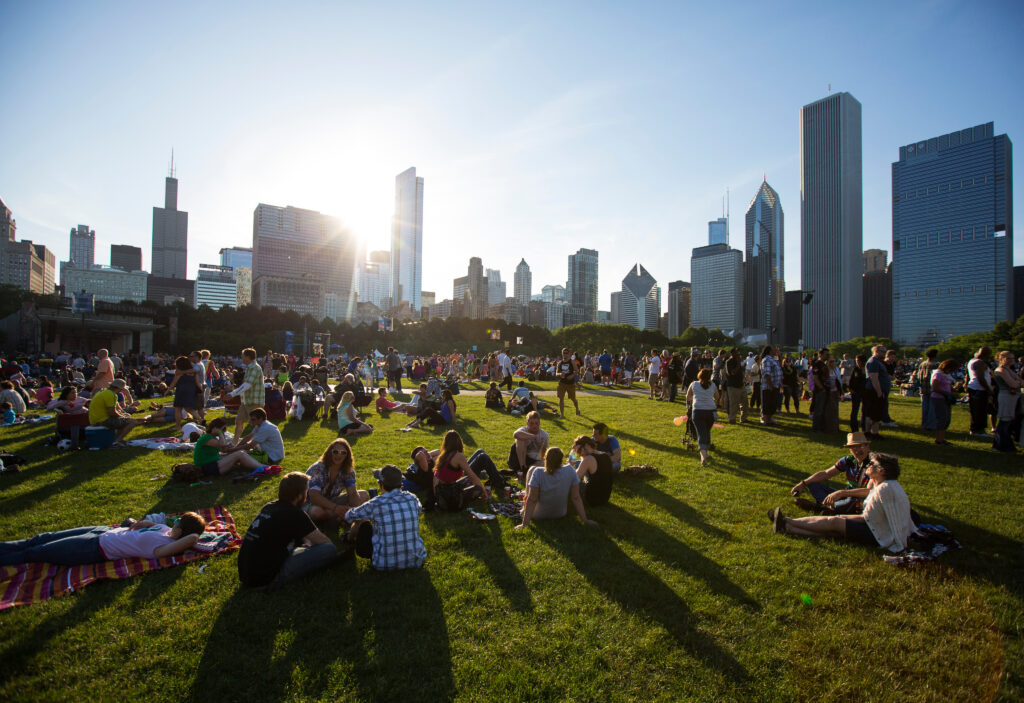
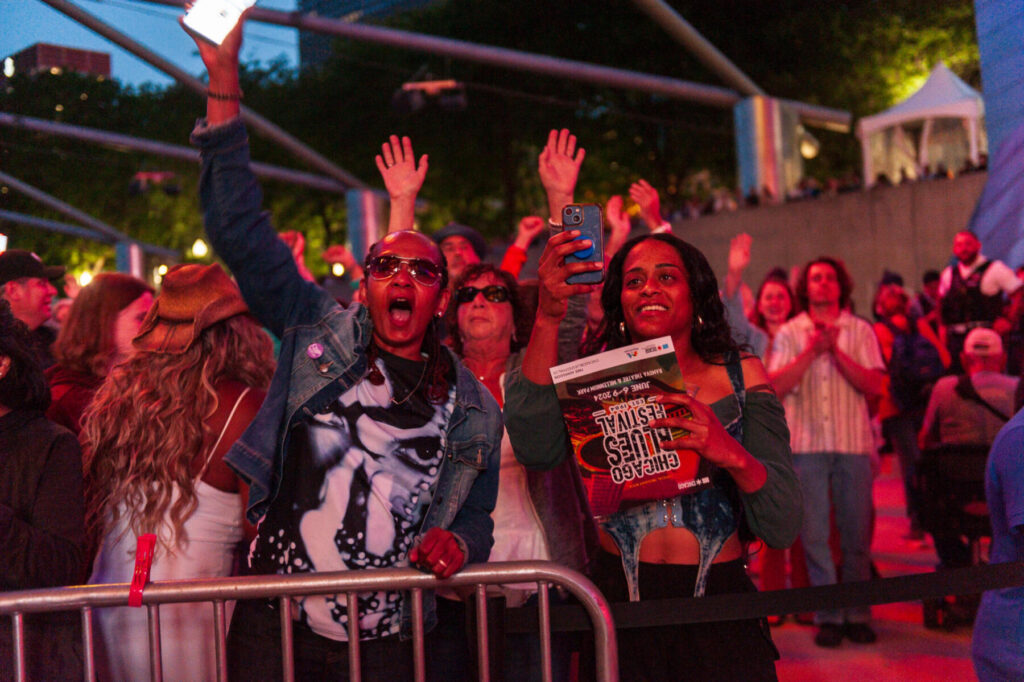
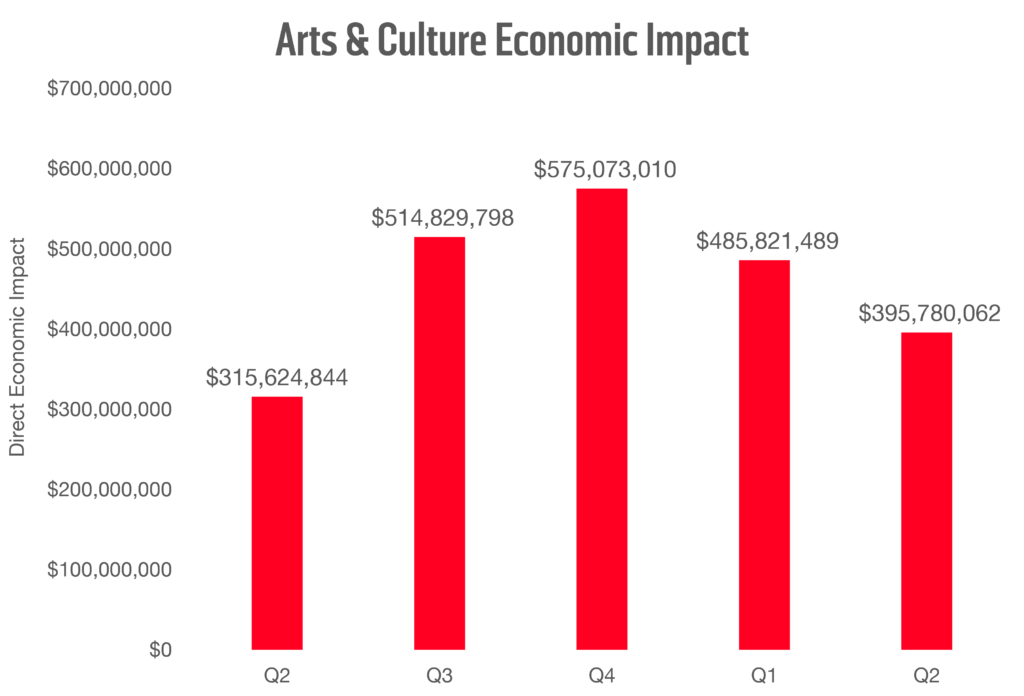
Arts and culture event and venue visitors contributed over $395 million to the economy in Q2, representing a 20% increase from Q2 2025. As summer festival season began, the Loop’s arts and culture events and venues saw nearly 1.5 million visitors in Q2. Events like Sueños Music Festival, Chicago Blues Festival, Daley Plaza Farmers Market, and the beginning of Millennium Park’s music and film series drew visitors to the Loop to enjoy the spring weather.
Transportation
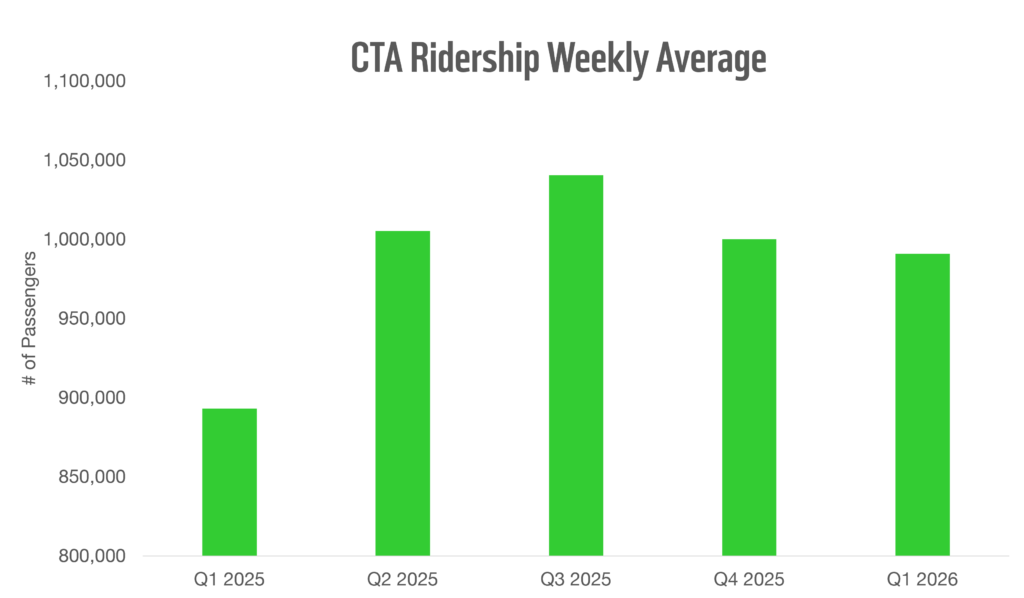
CTA ridership averaged just under 1 million riders each weekday in Q1, representing 111% of Q1 2025 ridership. Metra, which also converges in the Loop, averaged 300,000 riders each month in Q1, a nine percent increase from the same time last year. Crimes at CTA locations are down by about 25% compared to this time last year, showcasing one benefit of increased ridership.
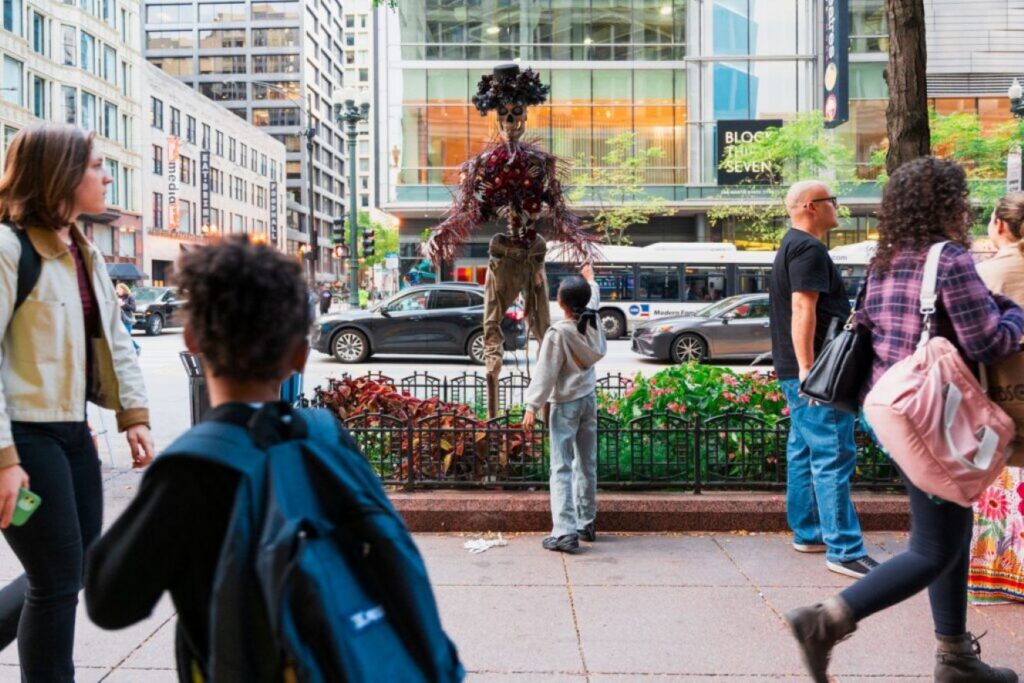
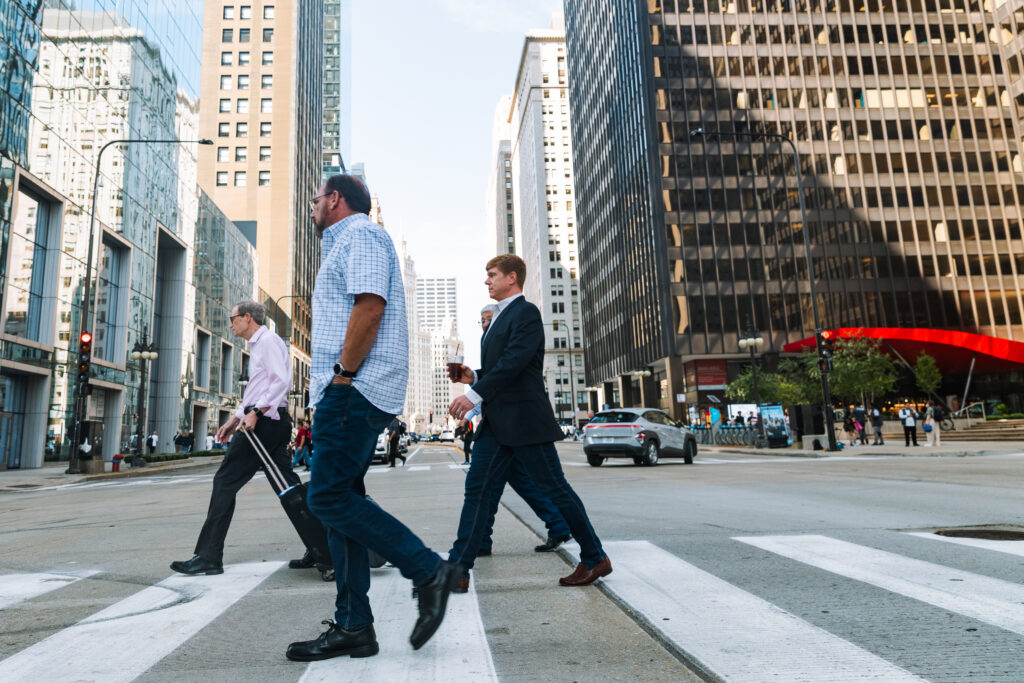
Daily pedestrian activity on State Street averaged around 82% of 2019 levels. However, weekend events continue to draw visitors to the Loop, as Saturday and Sunday pedestrian numbers on State Street averaged 105% of 2019 levels.
Methodology
Sources for pedestrian activity provided by Springboard MRI; public transportation provided by Regional Transportation Authority and Chicago Transit Authority; retail activity arts and culture provided by Choose Chicago Cultural Index, Department of Cultural Affairs and Special Events, and Art Institute of Chicago.